Should You Paint Over Old Paint? What La Jolla Homeowners Need to Know
Your walls are looking tired. Maybe the color feels dated, or you’re noticing scuffs and marks that no amount of cleaning can fix. Interior house painting is on your mind, but here’s the question that stops most homeowners in their tracks: should you paint over old paint, or do you need to strip it all down first?
The answer isn’t as simple as “yes” or “no.” It depends on the condition of your existing paint, the type of paint underneath, and how long you want your new paint job to last.
Key Takeaways
- You can paint over old paint in many cases, but only if the existing surface is in good condition.
- Peeling, cracking, or flaking paint must be addressed before applying new coats.
- Priming is required when switching between paint types or covering stains.
- A professional house painter can assess your walls and recommend the best approach.
- Skipping proper prep work leads to paint failure within one to three years.
When You Can Paint Over Old Paint Interior Walls
Good news first. Painting over old paint interior walls works well when:
The existing paint is firmly attached.
Run your hand across the wall. If nothing flakes off, that’s a positive sign. The old paint has bonded properly to the surface and can support new layers.
There's no peeling, bubbling, or cracking.
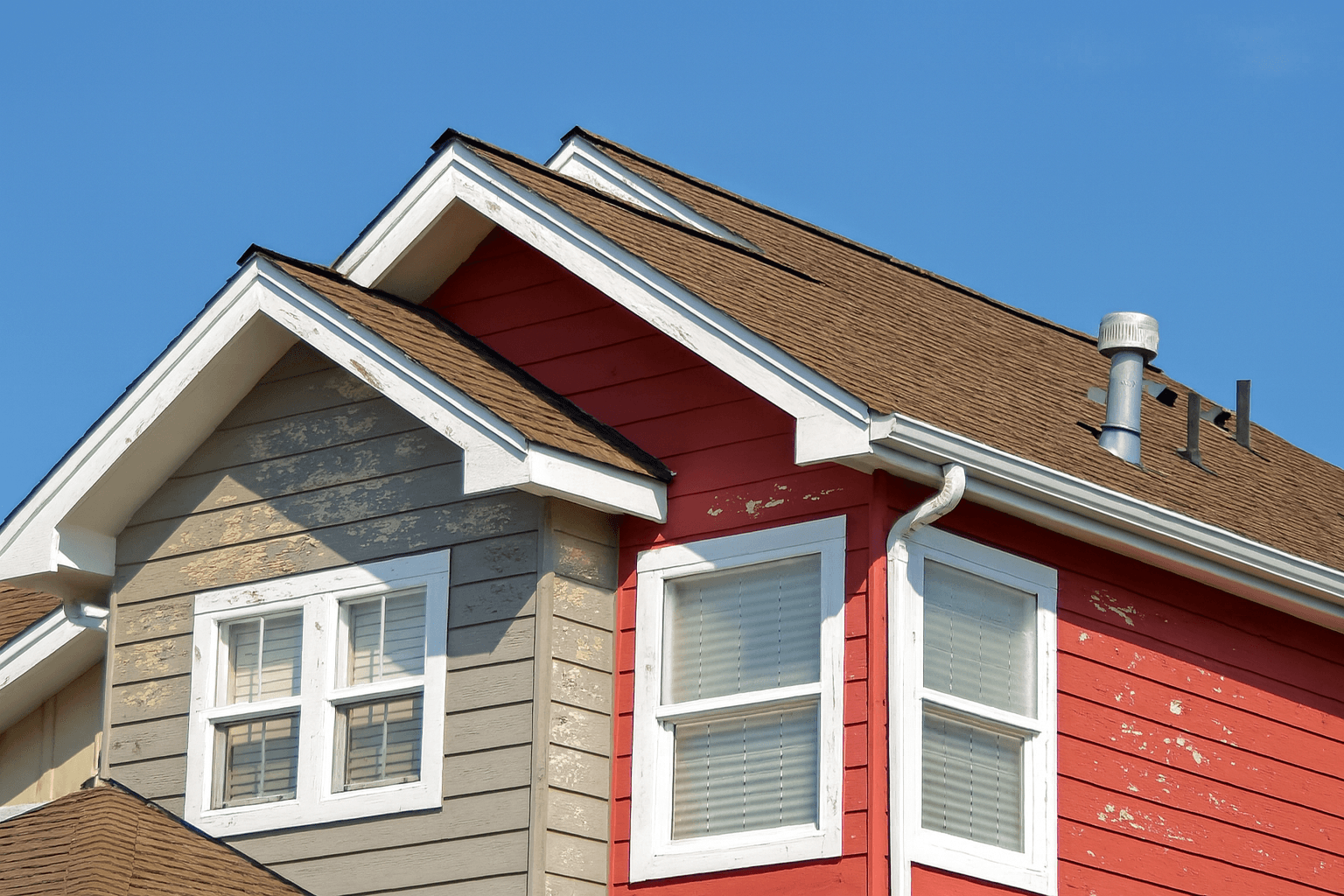
These issues signal that the bond between the paint and wall has failed. Adding more paint on top won’t fix the problem—it will make it worse.
The surface is clean and free of grease.
Kitchens and bathrooms often collect grime that prevents new paint from sticking. A good cleaning with TSP (trisodium phosphate) or a degreaser solves this.
You're using the same type of paint.
Latex over latex or oil over oil typically works without issues. Problems arise when you mix paint types without proper preparation.
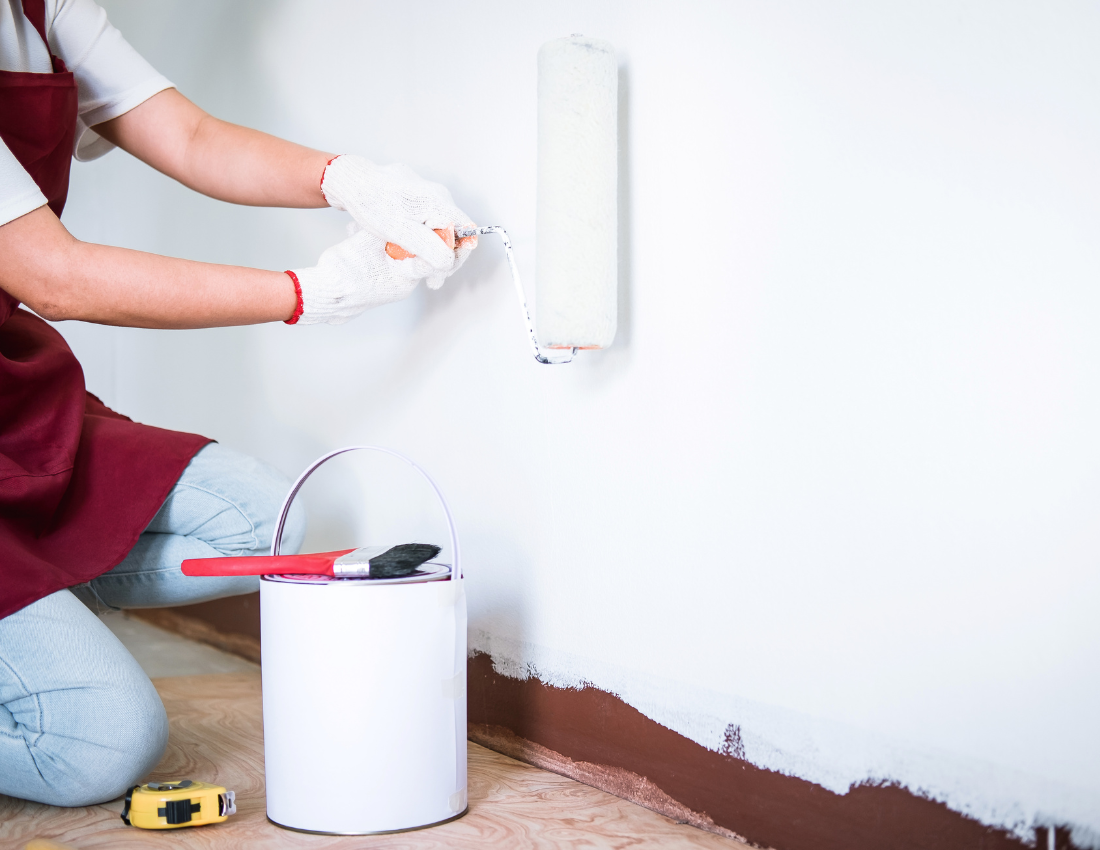
Do I Need to Remove Old Paint Before Repainting?
This question comes up constantly, and for good reason. Removing old paint is messy, time-consuming, and adds significant cost to any project.
Here’s the truth: you rarely need to remove ALL the old paint. But you absolutely need to remove paint that’s failing.
Signs you need to remove old paint:
- Paint is peeling away from the wall in sheets or chips.
- You see bubbling or blistering on the surface.
- Multiple thick layers are creating an uneven texture.
- The paint underneath is lead-based (homes built before 1978).
If only small sections are damaged, you can scrape those areas, sand the edges smooth, and prime just those spots. This targeted approach saves time while still giving you a quality result.
For homes in La Jolla built before 1978, lead paint testing is a safety requirement before any scraping or sanding. The EPA has strict guidelines for lead paint removal that protect your family’s health.
Can You Paint Over Existing Paint Without Priming?
Sometimes. But skipping primer is a gamble that often doesn’t pay off.
You can paint over existing paint without priming when:
- The old paint is latex and the new paint is latex
- The wall color is similar to your new color
- There are no stains, water damage, or repairs
- The surface has been cleaned and lightly sanded
You need primer when:
Switching from oil-based to latex paint.
Latex won’t bond directly to oil-based paint. A bonding primer creates the bridge between them.
Covering dark colors with light ones.
Without primer, you might need four or five coats instead of two.
Hiding stains or water damage.
Regular paint won’t block these from bleeding through. You need a stain-blocking primer.
Painting over glossy surfaces.
High-gloss and semi-gloss paints are too slick for new paint to grip. Primer gives the new coat something to hold onto.
A professional house painter will assess your specific situation and tell you exactly what’s needed. This saves you from buying products you don’t need—or worse, skipping steps that guarantee failure.
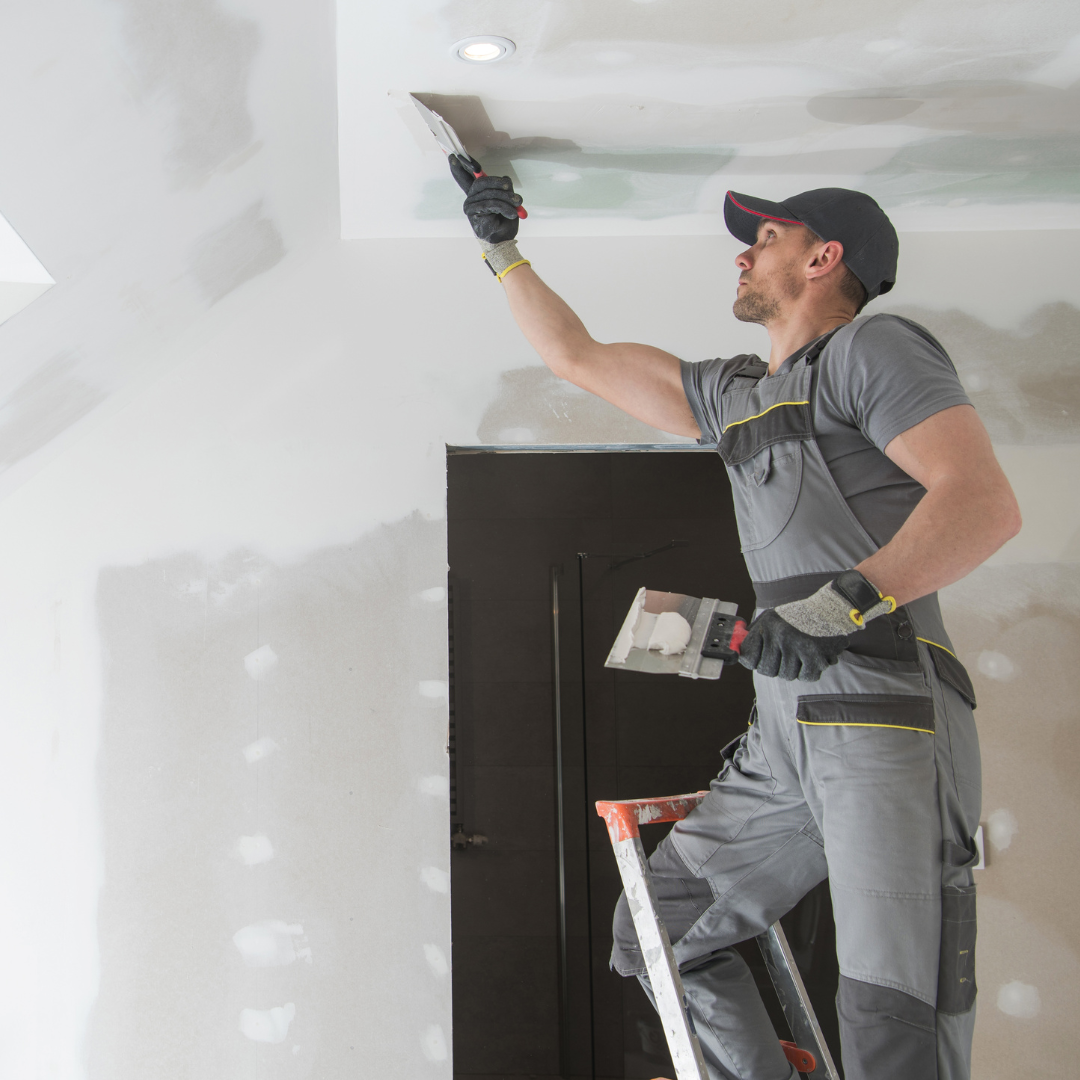
When to Prime Before Painting Over Old Paint
Knowing when to prime before painting over old paint saves headaches and money. Here’s a simple rule: when in doubt, prime.
Primer costs between $20 and $50 per gallon. That’s a small investment compared to repainting an entire room because the first attempt failed.
Situations that always require primer:
New drywall or patches.
Bare drywall absorbs paint unevenly, creating blotchy spots called “flashing.”
Smoke or nicotine stains.
These will bleed through regular paint indefinitely.
Wood knots or tannin-rich surfaces.
The natural oils will discolor your topcoat without proper sealing.
Previously wallpapered walls.
Even after removal, adhesive residue affects paint adhesion.
The Real Cost of Skipping Prep Work
Here’s where many DIY projects go sideways. Homeowners ask “should you paint over old paint” but what they really mean is “can I skip the boring prep work?”
Technically, you can slap new paint over old paint and call it a day. The room will look great—for a few months. Then you’ll notice:
- Edges where new paint meets old start lifting
- Brush strokes and roller marks become visible as paint settles
- Stains from the old wall bleed through
- Peeling begins in high-humidity areas like bathrooms
Prep work accounts for 80% of a quality paint job’s success. The actual painting is the easy part. Cleaning, sanding, filling holes, caulking gaps, taping edges, and priming properly—that’s where the real work happens.
When to Call a Professional House Painter
Interior house painting seems straightforward until you’re standing in front of walls with mystery paint from decades past. A professional house painter brings experience that helps avoid costly mistakes.
Consider hiring a pro when:
- Your home was built before 1978 and may contain lead paint
- You're dealing with extensive peeling or damage
- The project involves high ceilings, stairwells, or hard-to-reach areas
- You want a guaranteed result that lasts
- Your time is more valuable than the cost difference
Professional painters also know the right products for La Jolla’s coastal climate. Humidity and salt air affect paint differently than in inland areas. Using the wrong paint type leads to premature peeling and mildew growth.
Making Your Decision
So, should you paint over old paint? If your existing paint is in good shape, clean, and properly prepared—yes, go for it. If you’re seeing any signs of failure, address those issues first.
The difference between a paint job that lasts three years and one that lasts ten comes down to preparation. Whether you tackle this project yourself or hire help, don’t cut corners on the prep work.
Ready to get a professional opinion on your La Jolla interior painting project? The team at Lifetime Custom Painting offers free consultations to assess your walls and recommend the best approach. No pressure, no obligation—just honest advice from experienced painters who want your project to succeed.
Call 619-591-9936 today to schedule your consultation.
Thinking about a project in San Diego?
Luis Rodriguez and the team give free, fixed written estimates — no pressure, no obligation.
- Licensed & insured
- 4.9★ · 291+ reviews
- 10% military discount